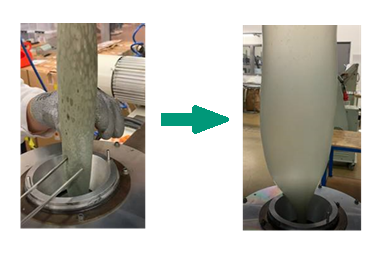
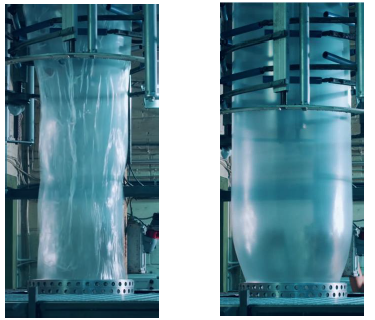
Film and packaging producers are under increasing pressure to use more recycled polyethylene (PCR). However, recycled materials often introduce major processing challenges such as unstable extrusion, poor melt strength, contamination, and inconsistent film quality.
These problems make it difficult to increase PCR content while maintaining efficient production.
NEXAMITE® R305 enables converters to process recycled polyethylene more reliably by stabilizing the polymer structure during extrusion. This improves melt strength, widens the processing window, and allows higher PCR levels without sacrificing production stability.
The result is more sustainable products while maintaining consistent film and container performance.
Why Recycled Polyethylene Is Difficult to Process
Recycled polyethylene streams often contain degraded polymers, mixed grades, and contaminants. This variability creates significant processing instability.
Typical challenges include:
-
Unstable melt strength during blown film extrusion
-
Bubble instability and film thickness variation
-
Sagging parisons in extrusion blow molding
-
Gels and contamination defects
-
Residual polypropylene or HDPE contamination
-
Inconsistent melt flow forcing virgin material additions
-
Narrow processing windows for recycled material blends
These issues often limit how much recycled material producers can realistically use in films and containers.

Reactive Recycling for Blown Film Production
Blown film extrusion requires stable melt strength and consistent polymer behavior. Recycled polyethylene streams often lack the molecular structure needed to maintain stable bubble formation.
NEXAMITE® R305 helps stabilize blown film extrusion when using recycled polyethylene streams, making it easier to increase PCR content while maintaining reliable processing.
Key Benefits for Blown Film Processors
-
Increase PCR content without losing process stability
-
Use lower grade or variable PCR streams more easily
-
Improve melt strength for stable bubble formation
-
Reduce processing disturbances and line adjustments
-
Improve tolerance to contamination in recycled materials
-
Partially compatibilize residual HDPE or PP in PCR streams
-
Reduce gel formation depending on feedstock quality
Typical dosage:
1–5% depending on material quality
Most applications use 1.5–2.5%
Reactive Recycling for Extrusion Blow Molding
Recycled HDPE can create major challenges in extrusion blow molding, especially for large containers or thick parts where parison stability is critical.
Low melt strength in recycled materials often leads to sagging parisons, inconsistent wall thickness, and dimensional variation.
NEXAMITE® R305 improves melt strength and processing stability, allowing blow molders to use higher recycled content while maintaining part quality.
Benefits for Blow Molding Applications
-
Stable parisons even at high PCR levels
-
Reduced sagging in large containers and thick sections
-
Improved dimensional stability
-
More consistent wall thickness distribution
-
Wider processing window for variable rHDPE quality
-
Peroxide-free chemistry with no uncontrolled MFR drift
-
No discoloration or yellowing
-
Avoids virgin PE additions used to correct melt flow
-
Upcycles low-quality rHDPE into higher value materials
-
Improves Environmental Stress Cracking Resistance (ESCR)
How NEXAMITE® R305 Works
NEXAMITE® R305 uses reactive extrusion chemistry to modify polyethylene during processing.
When added during compounding or extrusion, the additive reacts with the polymer chains and introduces controlled branching in the melt phase. This improves melt strength and stabilizes the molecular structure of recycled polyethylene.
This enables converters to run higher recycled content while maintaining stable extrusion performance.
Typical Applications
NEXAMITE® R305 can improve recycled polyethylene processing in several applications:
Blown Film
-
Packaging films with recycled PE
-
Industrial film products
-
Agricultural films
-
Trash bags and consumer packaging
Extrusion Blow Molding
-
Bottles and containers using rHDPE
-
Large technical containers
-
Industrial packaging applications
Increase Recycled Content Without Sacrificing Production Stability
NEXAMITE® R305 enables converters to increase recycled polyethylene usage while maintaining reliable processing and consistent product quality.
By improving melt strength and stabilizing recycled polymer streams, processors can:
-
Increase PCR levels
-
Use lower quality recycling streams
-
Reduce production instability
-
Improve sustainability performance
Talk to a Recycling Expert
If you are looking to increase PCR content in blown film or extrusion blow molding applications, NEXAMITE® R305 can help stabilize your process.
Contact Nexam Chemical at sales@nexamchemical.com to discuss your materials, PCR targets, and processing conditions.
Request technical information or discuss your application with our experts.

Our product offer for Polyethylene, PE
| Product: | Activity: | Typical dosing: | Benefits: |
|---|---|---|---|
| NEXAMITE®R305 | Processing temperature >200°C Ready to use masterbatch |
2 – 5% | Viscosity modifier for decreased MFR with improved flow properties and higher melt strength. Peroxide free. Can also react with rPP – compatibilize rPE/rPP. Suitable for all rPE types |
| PE 0188L – OIT Booster | 0.5-1.5 % | Extend the lifespan and durability of your recycled PE to withstand the rigors of processing and usage without premature degradation. | |
| Recycling performance masterbatches | Odour scavenging, output increase, NIR-black detection, stabilization, processing aid compatibilization. |
Frequently Asked Questions
How can I increase PCR content in blown film?
Increasing PCR content requires stable melt strength and consistent polymer behavior during extrusion. Reactive processing additives such as NEXAMITE® R305 can strengthen the polymer network during processing, allowing higher PCR levels without destabilizing the blown film bubble.
Why does recycled polyethylene cause unstable extrusion?
Recycled polyethylene streams often contain degraded polymers, mixed polymer grades, and contamination. This leads to inconsistent melt flow, reduced melt strength, and unstable processing conditions during extrusion.
Does NEXAMITE® R305 change melt flow rate?
Yes. NEXAMITE® R305 typically reduces the melt flow rate of polyethylene as it introduces controlled molecular branching during reactive extrusion. This increase in molecular structure improves melt strength and processing stability.
Unlike peroxide-based modification technologies, the reaction mechanism does not cause uncontrolled chain scission or unpredictable melt flow drift. The result is a more stable polymer structure and consistent processing performance during long production runs.
Can recycled HDPE be used in extrusion blow molding?
Yes. However, recycled HDPE often has lower melt strength, which can cause parison sagging and wall thickness variation. Melt strength improving technologies can help stabilize processing when using high PCR content.
Does NEXAMITE® R305 require special equipment?
No. NEXAMITE® R305 works under normal polyethylene processing conditions and does not require any additional equipment or reactor systems.
The additive is typically dosed directly into the extruder using standard feeding or masterbatch systems, making it easy to integrate into existing blown film or extrusion blow molding processes.